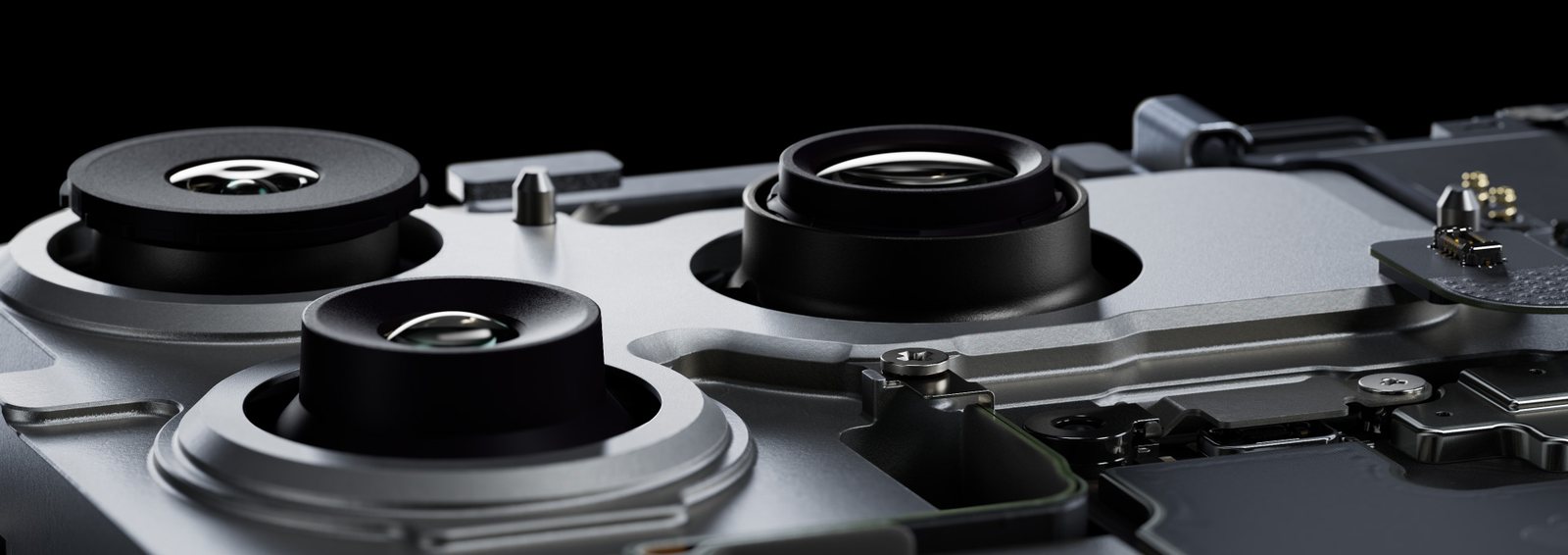
Diagnose before quoting
No price is given over a counter based on a guess. The device gets opened, measured and understood first, and the price you get reflects the actual fault.


About
One bench, one person. The person who quotes your repair is the person who performs it — and the person who tells you when it isn’t worth the money.
My first encounter with on-device AI was an Anki Overdrive set — cars that drove themselves using neural networks, a completely new technology at the time. I took them apart to see how it actually worked. That curiosity never stopped.
At 13, I built a computer with my father. At 14, I built my own. Every device I got my hands on, I’d disassemble to understand the architecture beneath the plastic. Sometimes I broke things — that’s how you learn — but the question was always the same: how does this actually work?
I started fixing phones on the side while I was still in school. The work was the same as it had been with Anki: open it, diagnose the fault, replace the component. Phones led to laptops, laptops led to systems, and systems led me to network operations and cybersecurity. I studied for and earned my CompTIA A+ and Security+ certifications — credentials that matter now that networking and small commercial IT sit next to the repair bench.
By 2025 I was the person on campus at UMBC who fixed things. Students and colleagues brought me cracked screens, dead laptops and machines that wouldn’t boot, and I worked on them between classes. The impulse was unchanged: open it, understand it, fix it at the component level.
I’m still learning. The technology doesn’t stop moving, and neither do I. Repair is how I stay current.
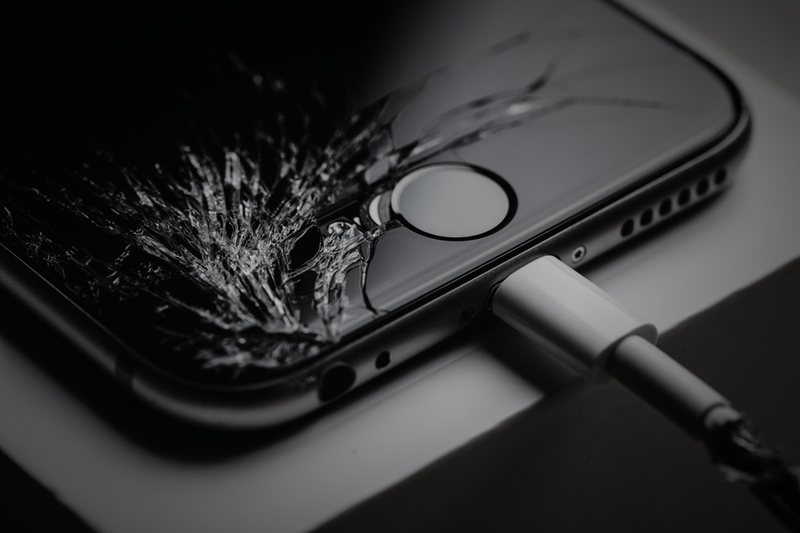
No price is given over a counter based on a guess. The device gets opened, measured and understood first, and the price you get reflects the actual fault.
Replacing an entire board hides the fault rather than solving it. Where a single part is at fault, that single part gets replaced.
Some repairs cost more than the device is worth, and you will be told that plainly instead of being sold the work anyway.
Nothing is copied, nothing is browsed, nothing leaves the bench. Where a repair risks the storage, you hear about it before it starts.
Pickup and delivery across Montgomery County. A broken laptop is hard to travel with, so I’d rather do the travelling.
Every board brought back is one that isn’t manufactured again. Parts pulled from unsalvageable devices are kept and reused where they are sound.
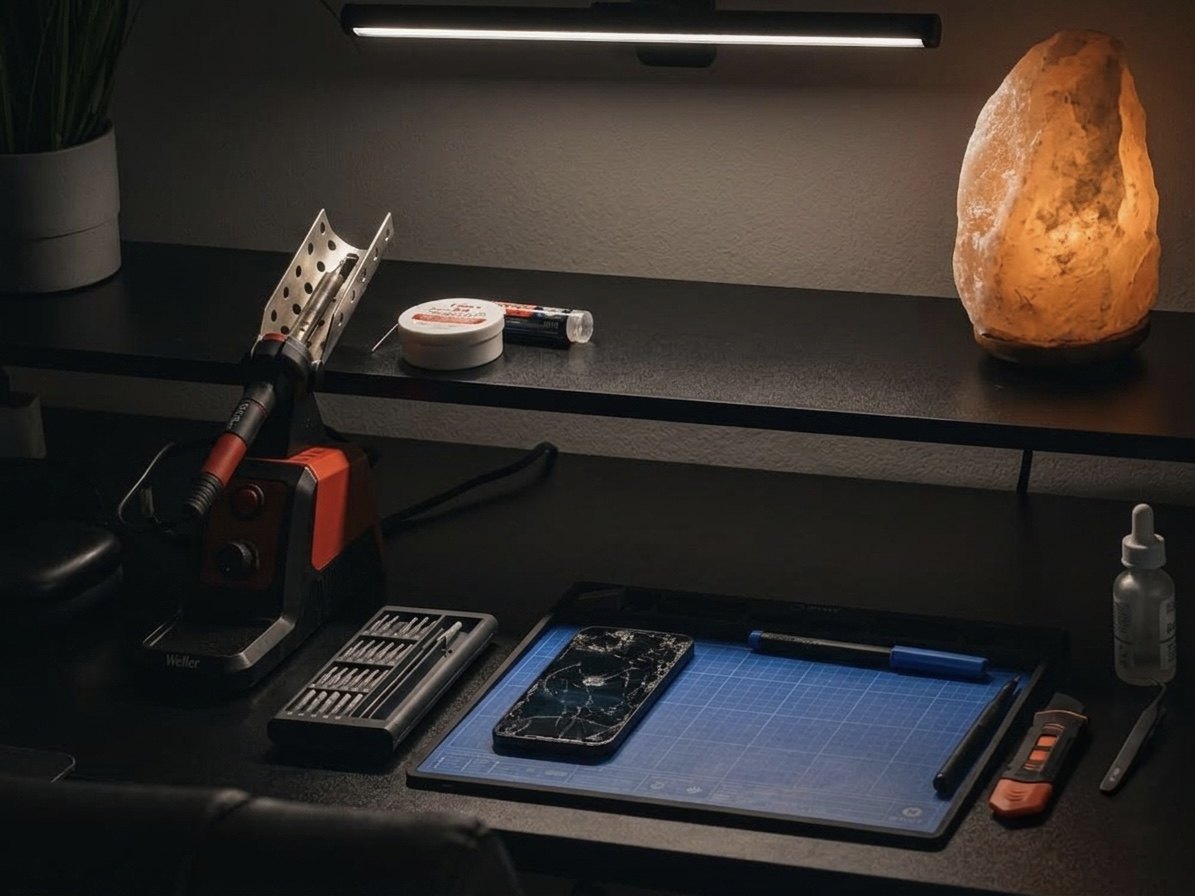
Nothing exotic — just the kit that makes component-level work possible instead of guesswork.
| Soldering tools | Dead boards, overheating parts |
| iFixit repair mat | Every device on this site |
| Screwdriver kit | Any screw, any bit |
| Precision tweezers | Ribbon cables and connectors |
| Windows and macOS toolkit | Software diagnosis and recovery |
| CompTIA A+ and Security+ | Networking and IT systems |
Describe the device and the fault, and you’ll get a straight answer about whether it can be saved.